Getting Back to Basics: Perimeter Security for Substations
In the ever-evolving landscape of physical security, it’s easy to get swept up in the latest technologies—analytic cameras, intrusion detection systems, and AI-powered surveillance. While these tools have their place in a comprehensive protection strategy, they should not overshadow the foundational principles that have long guided effective security programs.
At the heart of any successful physical security framework are the five D’s: deter, detect, deny, delay, and defend. These principles serve as a roadmap for designing layered defenses that protect both assets and personnel. However, when certain elements—like detection or defense—are limited due to location or infrastructure, the remaining elements become even more critical.
When and How to Increase Deter and Delay
For many utilities, especially those with remote substations, the ability to detect or defend in real-time is constrained. In these cases, deter and delay become the most practical and impactful strategies from the five D’s.
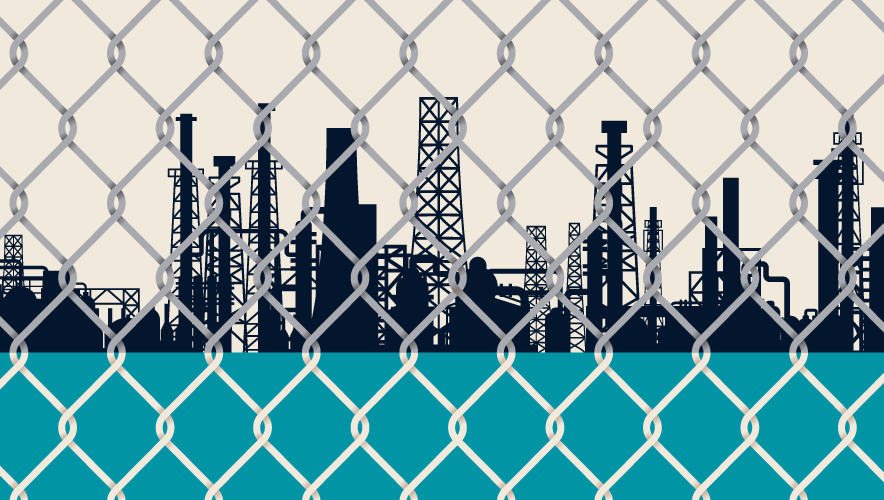
Fencing is a prime example. A standard chain-link fence may define a perimeter, but it offers minimal resistance because a determined intruder could breach it in under a minute. Upgrading to anti-cut, anti-climb fencing or expanded metal panels can significantly increases delays to potential intruders and serves as a visual deterrent. These solutions are often more cost-effective and easier to install than full-scale electronic systems.
Lighting is another basic yet powerful tool. Many substations focus lighting on internal equipment while leaving the perimeter in darkness. This oversight creates vulnerabilities, failing to support quicker detection of potential intruders or attackers. Whether motion-activated or scheduled, perimeter lighting is a low-cost enhancement that improves visibility, deters unauthorized access, and supports surveillance systems when present.
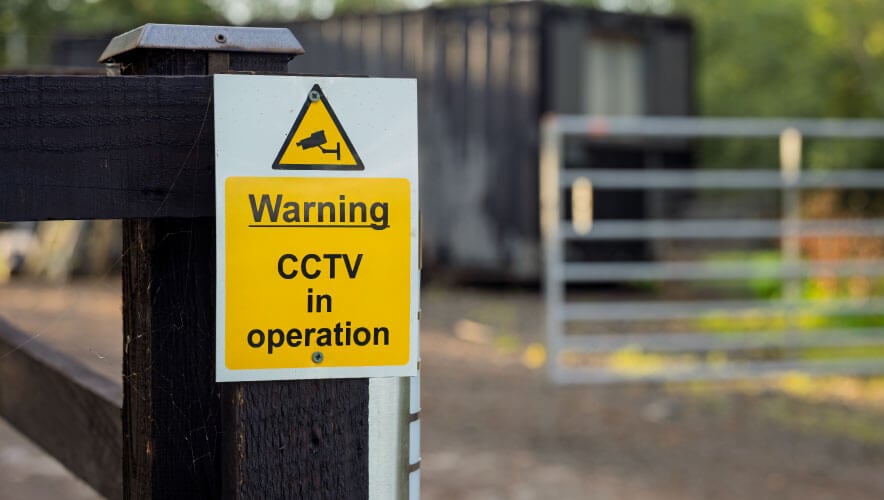
Signage also plays a critical role in deterrence. Clear, visible warnings about restricted access, surveillance, and legal consequences can discourage opportunistic intruders. Signage is inexpensive, easy to deploy, and reinforces the seriousness of the site’s security posture.
Tailoring Protection to the Asset
Not all assets require the same level of protection. A key philosophy to adopt is, “Protect pencils like pencils and gold like gold.” This means evaluating the value and vulnerability of each asset and applying appropriate security measures. A remote substation may not need the same level of protection as a central operations hub, but both still require thoughtful, layered defenses.
Each site should be individually assessed to determine the most effective combination of deterrence, delay, and denial. This might include physical barriers, lighting, signage, and basic locking mechanisms before jumping to high-tech solutions.
Technology Isn’t Everything
Technology is a vital part of modern security, but it should complement—not replace—basic physical measures. Cameras and sensors are excellent tools for monitoring and investigation, but they rarely prevent incidents on their own. In many cases, footage only confirms what has already occurred, often without providing actionable identification due to masked intruders or poor visibility.
Instead of defaulting to technology after an incident, security teams should first ask:
- Are the assets properly locked and enclosed?
- Is the perimeter clearly defined and difficult to breach?
- Is the area well-lit and marked with appropriate signage?
These questions reflect a back-to-basics mindset—one that prioritizes simplicity, speed, and effectiveness.
Simplicity Is Strength
As security professionals, we must resist the urge to overcomplicate our solutions. The five D’s offer a timeless framework, and when applied thoughtfully, even basic measures can yield powerful results. Fencing, lighting, and signage may not be flashy, but they are proven, practical, and essential—especially in environments where advanced systems are difficult to deploy.
Getting back to basics isn’t about ignoring innovation; instead, it’s about building a strong foundation that supports innovation. By reinforcing the fundamentals, we create a more resilient, adaptable, and effective security posture—one that protects what matters most.
Sam Queeno, CPP, is a security professional and director, physical security, for American Electric Power. He previously served as vice chair for the ASIS Crime Prevention Community.