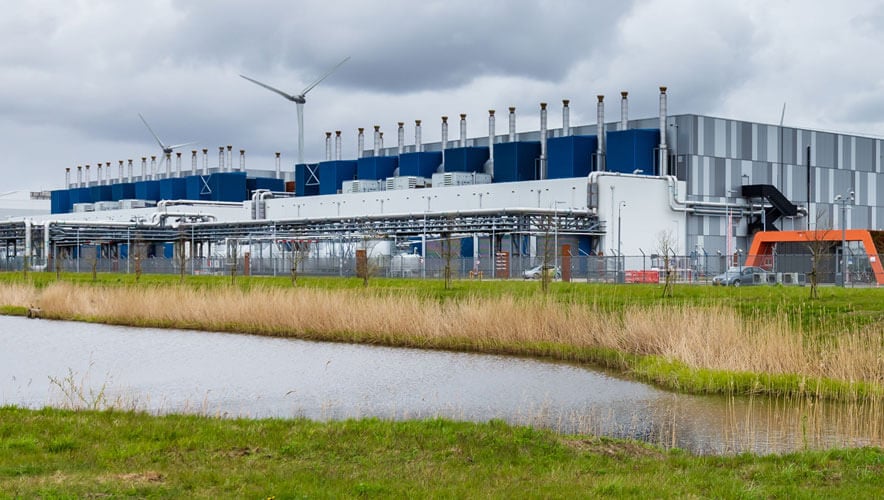
Protecting Data Centers with Visibility, Vision, and Viability
There are more than 4,000 data centers across the United States, and they support organizations’ technology and house vital information across sectors. This means that protecting data centers is crucial, both on the physical and cyber fronts. A data center service outage—whether caused by a glitch, cyber incident, or physical damage— can result in an organization being unable to access critical data or continue operations. Outages can also incur legal or regulatory costs and damage the organization’s reputation.
For data center perimeter security, three core elements support a well-rounded security posture: visibility, vision, and viability, according to Nicholas Peloso, APP, PSP, physical security engineer for a large data center and cloud computing firm.
Visibility. When it comes to visibility of the perimeter, Peloso means two things. The first is that the perimeter itself should be clear of any blind spots, with no trees or other vegetation providing cover that an intruder or bad actor could use to hide in or bypass security measures. But the perimeter should also be clearly defined, such as by a fence.
Vision. A clearly defined perimeter should be supported by adequate sightlines, which can be provided by even and consistent illumination, as well as reliable observation (i.e., security patrols, cameras, sensors).
Viability. Perimeter security does not operate in a vacuum. Even with the latest and greatest tools in place, there must still be a human element involved to ensure that the technology can be effective and is well-maintained.
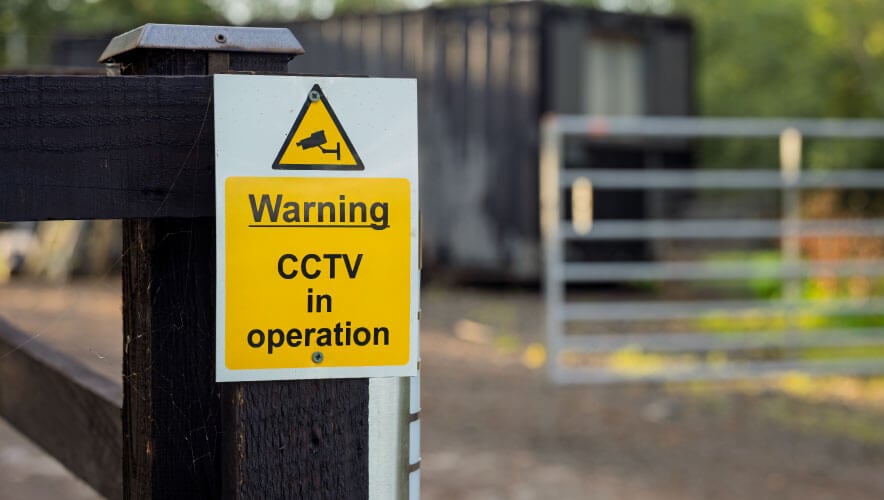
“It’s important to be sure that the lighting, fencing, CCTV, and any sensors comply with any local ordinances and codes,” Peloso says. While some jurisdictions might allow a site to use an electric fence or line the top with razor wire, others can be more restrictive. The same applies for acceptable lighting. “…The challenge is to work within what is permitted. For example, within certain regions you are not permitted to enclose all sides of a property with fencing, so you have to supplement with bollards and signage to prevent someone from driving up, as well as assigning additional staff to monitor what is essentially a large and permanent breach,” Peloso adds.
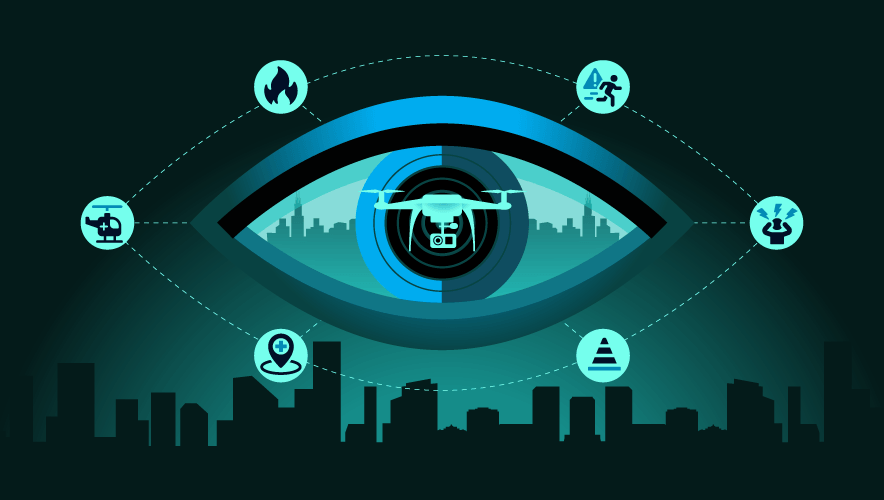
It’s also important that the perimeter is adequately staffed for monitoring and responding to any potential incidents that may occur, “otherwise the design is just creating a highly detailed record of the incident to review after the fact,” Peloso says. Newer tools like drones or solutions with artificial intelligence platforms can enhance perimeter security by reducing operational strain on personnel.
Sara Mosqueda is associate editor for Security Management. Connect with her on LinkedIn or send her an email at [email protected].