Flash Floods in Texas Destroy Summer Camps and Campgrounds, Killing More Than 80 People
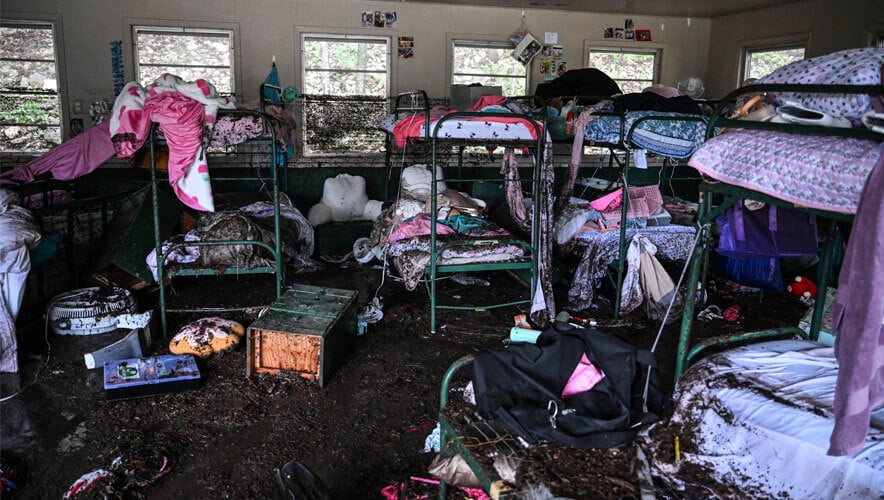
Central Texas communities are mourning and searching through miles of debris for missing people after devastating flash flooding along the Guadalupe River swept across campgrounds and children’s summer camps. The rapid rise of water is responsible for more than 80 confirmed deaths so far.
The area outside of San Antonio is prone to flash flooding, but the speed and severity of the 4 July flooding caught many off guard. Meteorologists had warned about an incoming storm multiple times on Thursday, 3 July, predicting between 5 to 7 inches of rainfall and the potential for flash flooding. But few could have predicted the drop of 12 inches (30 centimeters) of rain in the early morning hours. Rain flowed down nearby hills into the Guadalupe River, causing it to rise 26 feet (8 meters) in 45 minutes—reaching its second-highest level in recorded history, according to the Associated Press (AP).
The National Weather Service (NWS) sent urgent flood alerts to cell phones and other devices around 4:00 a.m. on Friday, but some people reported not receiving the notifications. Before dawn at 5:34 a.m., NWS issued another alert telling residents and campers to seek higher ground immediately, warning that a deadly flood wave was moving down the river. The water washed away homes, cabins, and vehicles.
The region hosts multiple youth summer camps, including Camp Mystic. Younger campers were bunked in cabins closer to the riverbank, and those were the first to flood, the BBC reported. As of Monday morning, the camp confirmed that 27 girls and staff were killed, and 10 girls and a counselor remain unaccounted for.
Overall, 82 people are confirmed dead from the storm—including 28 children. It’s difficult to gauge how many are still missing because people were likely camping along the river to celebrate the Fourth of July holiday. Officials estimate that more than 40 people are still unaccounted for. Around 850 people had been rescued, including by helicopter.
Search efforts will be complicated by further rain on the way during the next two days. There’s a lot of ground to cover, too. Rescuers told news agencies that they found victims up to 8 miles downriver from campsites. Piles of debris complicate searches and travel along the affected area.
Rescue crews are using boats, drones, helicopters, and horses to comb the area, according to The Dallas Morning News. Crews from the U.S. Federal Emergency Management Agency (FEMA), the U.S. Coast Guard, and U.S. Customs and Border Protection joined local teams to search for missing people.
Meanwhile, officials and civilians are criticizing the weather forecasts and warning systems in central Texas. Meteorologists say that it is exceptionally difficult to accurately predict what a complex weather system will do and then convince the public to respond, NPR reported. While residents in the river basin are used to flooding and responding accordingly, the wall of water that crashed through the region was shocking and unexpected, said Texas Governor Greg Abbott.
The flooding is already restarting a debate about flood warning systems along the Guadalupe River. After a flood eight years ago, officials considered adding sirens and river gauges, as well as modern communication tools, to warn camps and residents about floods, but the system was deemed too expensive.
Residents currently rely on word-of-mouth warnings from regions upstream and cell phone alerts from the NWS. However, the hilly region along the river makes cell service spotty, potentially limiting the number of alerts that get through.