Popular, Profitable, and False: Misinformation During Disasters
Popular social media platforms’ algorithms often amplify mis- and disinformation during natural disasters, which can sideline life-saving information, according to a new report from the non-profit Center for Countering Digital Hate (CCDH).
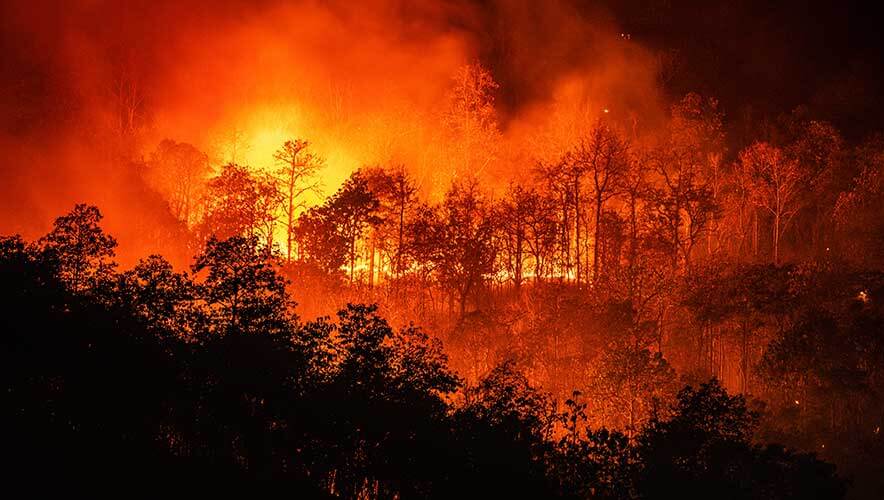
That misinformation includes narratives put out by conspiracy theorists through YouTube, Meta, and X (formerly Twitter), and those narratives were swiftly spread, eclipsing official guidance and accurate news. When Hurricane Milton hit Florida in 2024, online rumors proliferated claiming that the storm had been engineered by politicians. The Los Angeles wildfires in January 2025 were falsely blamed on government lasers. The July 2025 floods in Texas were blamed on cloud seeding companies, resulting in death threats against those companies’ executives, Agence France-Presse reported.
The CCDH study, Extreme Weather: How a storm of false and misleading claims about extreme weather events spread unchecked on social media putting lives at risk, found that the worst offenders of spreading misinformation during natural disasters were verified users, many of whom were trying to monetize their posts by reaching their large followings. For example, posts from U.S. conspiracy theorist Alex Jones during the LA wildfires—claiming that the Federal Emergency Management Agency (FEMA) was confiscating food and that the fires were a globalist plot—received 408 million views on X, more than the information on the platform from 10 key emergency response outlets.
“False information can impact individuals’ ability to receive the help they need in the event of a disaster,” TIME reported. “In the aftermath of Hurricane Helene last fall, false information about FEMA aid payments and assistance was widespread sowing confusion over what assistance victims were entitled to. Misinformation can also create confusion or risk sensationalizing tragedy. Following the wildfires in Los Angeles in January, fake images showed the Hollywood sign on fire—though the area was not in the path of the fire.”
“Disasters are ripe for conspiracy theories because there is a lot of uncertainty as things are unfolding and a lot of fear,” David G. Rand, a professor of management science and brain and cognitive sciences at the Massachusetts Institute of Technology, told Scientific American. In that period of uncertainty, misinformation offers a sense of reassurance and a path to take action.
Sometimes that action can be dangerous. In 2020, rumors of antifa arsonists setting wildfires in Oregon led civilian vigilantes to set up roadblocks to interrogate evacuees. After misinformation about FEMA spread in the wake of Hurricane Helene, online communities called for militias to take charge in North Carolina. FEMA had to pause its efforts in parts of North Carolina in October 2024 to assess threats against aid workers.
“…Some people have responded to ‘weather weapon’ narratives by targeting weather radar systems used by meteorologists to create forecasts, mistakenly blaming them for altering the weather,” the CCDH report said. “One extremist group called ‘Veterans on Patrol’ has pledged to take ‘as many NexRads [Next Generation Weather Radar sites] offline as possible.’ In an act of vandalism, a man disabled a weather radar system in Oklahoma City.”
Meteorologists have been falsely accused of steering hurricanes toward Florida or Appalachia, NBC News reported, and some meteorologists say they have experienced personal attacks.
“In the past two months, there’s been such an uptick in conspiracy theories, especially on social media, it’s undermining my ability to do my job effectively,” meteorologist Matthew Cappucci told NBC in October 2024. “People will see an errant signal on a radar and think we’re zapping hurricanes. There are people who think we’re able to steer hurricanes into red states.”
The CCDH study of 300 false or misleading extreme weather posts uncovered some key themes:
- Causes of severe weather events, including false claims about intentional plots
- Misleading claims about disaster aid relief, including FEMA relief fund availability or eligibility criteria
- Misleading claims about emergency responses, such as firefighters failing to act
- Misleading claims about climate change impacts
- Misleading claims about political responses, like that the LA wildfire water shortage was because of environmental policies to protect a fish species
The researchers tested whether social media platforms apply fact-checking labels to false or misleading posts about extreme weather—all three failed to do so. YouTube instead adds information panels to videos flagged for posting false or misleading claims, but the researchers said the panels were applied inconsistently.
In addition, nearly one in three YouTube videos promoting misleading claims about extreme weather featured a recommendation for more climate denial or misinformation content in the “Up Next” panel. Some of those videos even featured ads, generating revenue for the content creators, which the CCDH report strongly criticized.
“The influence of high-profile conspiracy theorists during climate disasters is drowning out emergency response efforts,” the report said.