Tournament Security Requires Heightened Awareness in Hospitality
What’s with all this fuss about FIFA World Cup 2026 preparedness? Canada, Mexico, and the United States are old hats at hosting major sporting events, right? The World Cup is a whole different game, though, especially for countries and cities unused to major soccer culture, says Hugo Tisaka, CEO and founder of NSA Global and one of the coauthors of a recent ASIS community white paper on World Cup preparedness.
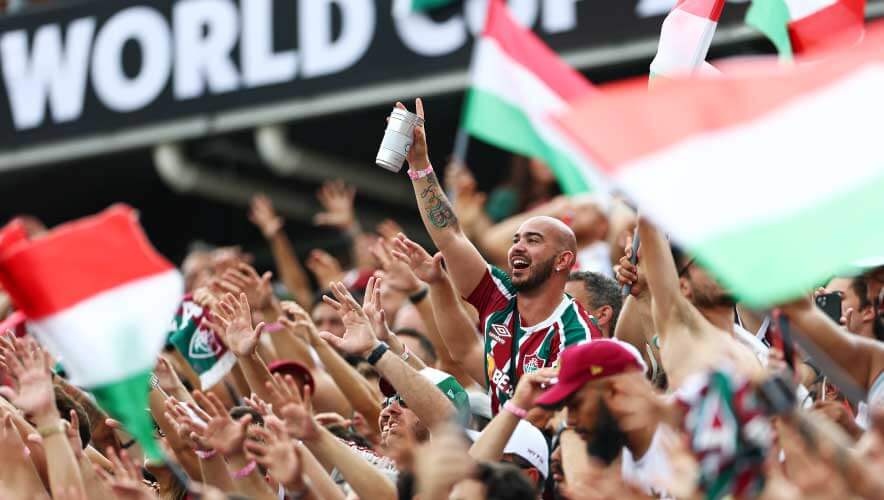
“The big difference is that the fan culture is completely different from other sports,” he says. “And with that comes lots of challenges that most establishments are not used to, and therefore not prepared to deal with.” That includes avid fan rivalries, such as between Brazil and Argentina or the UK and France, fans bringing pyrotechnics into stadiums, and physical brawls.
The potential for conflict and disruptions at and around the World Cup matches requires hospitality personnel—from housekeepers to waiters to drivers—in host cities to stay alert and know how to report concerns, Tisaka says. This was the impetus behind an ASIS Hospitality, Entertainment, and Tourism Community white paper, “FIFA World Cup 2026: A Pragmatic Guide for Hospitality, Transport, Recreation, and Venue Operators.”
How Soccer Crowds Differ
Understanding fan culture helps set realistic expectations about crowd management, the white paper said. There are a few notable elements to remember:
Tribal identity and travel. Soccer supporters follow their national teams, even across borders, forming large roving groups. Rival supporters will likely find themselves in the same districts, which could spur clashes.
Chants, pyros, and banners. Visual displays, including flags and coordinated mass banners, are common in global soccer culture. Pyrotechnics are also common among fans, even though they are often prohibited in stadiums. Venues should clarify their policies on flags, banners, and drums at entrances, the white paper advised.
Alcohol patterns. Tailgating before American football games doesn’t hold a candle to daylong “fan marches” before high-profile soccer matches, which often occur off-site and can begin early in the morning for an evening match.
Match day volatility. Soccer fans are deeply invested in the outcome of their team’s matches. A single controversial referee call can spark collective agitation, the white paper said. In addition, overtime can stretch crowd egress time, so venues and host cities should build buffer time into transportation and staffing rosters.
Rivalries. The mood will change in the host city and venue depending on the opponents. Organizations should monitor the tournament bracket and update staffing levels depending on who will be playing.
“They are very enthusiastic about their team, and sometimes they get physical, especially when alcohol is involved or a bad result in the match,” Tisaka says of fans. “They provoke each other. So, this can bring lots of different challenges that most people are not used to dealing with.”
It’s a Classic for a Reason: See Something, Say Something
Hospitality and transportation staff are perfectly positioned to glean risk insights from nonpublic spaces, but they often need to be reminded of their status as early-warning indicators.
“Waiters, valet parking people, bus drivers, chauffeurs, people cleaning rooms, having these people aware makes the entire environment safer,” Tisaka says. “It’s an early detection of potential problems.”
But without a clear and reliable pathway to report concerns, their observations might go nowhere, he adds. Hospitality personnel should be informed about whom to report to—whether a manager, venue coordinator, or law enforcement—and about what.
“‘If you see something, say something’ is very important,” Tisaka adds. “Even a small thing can be very big, so it’s important that everybody’s aware and can bring those situations to the attention of the right people and make sure that those situations are treated in a good way.”
The white paper provides a sample outline of red flags that different employees can watch for. Something similar could be developed for different venues and distributed before match days and high-traffic events.
|
Role |
Primary Observation Point |
Immediate Red Flags |
|
Housekeeping or room attendants |
Guest rooms and corridors |
|
|
Food and beverage servers, waitstaff |
Bars, lounges, in-room dining |
|
|
Cleaning and maintenance staff |
Restrooms, service areas, loading docks, waste bins |
|
|
Drivers, valets, and shuttle hosts |
Drop-off bays, parking lots, bus staging, inside vehicles |
|
Venues, restaurants, and hotels can also publish match day information sheets that include details about kickoff time, transportation advisories, and supporter zones. These fulfill dual purposes: They help fans quickly determine where to go, and they can also help staff notice when someone is behaving contrary to the established schedule.
These sorts of documents and training tools can help employees be better threat reporters, too.
“We want them to send their information the right way, providing as much detail as possible about what they’re talking about—the characteristics of the people, what they’re carrying, what they’re wearing, and the content of what they’re talking about, planning, or carrying,” Tisaka says. “If you provide full information to law enforcement, they will be better able to use it accordingly.”
Awareness training means parsing out what’s suspicious and what’s simply foreign, though. Many World Cup fans will be visiting unfamiliar cities, so hospitality staff will likely see a lot of people wandering around holding maps or planning documents. But maps or building schematics paired with other suspicious behaviors should set off a heightened level of alertness.
“If staff observe suspicious behavior, identify a potential threat, or have questions during an incident, they should promptly contact local law enforcement or the appropriate public-safety authority and provide as accurate detail as possible,” the white paper concluded. “Timely reporting, supported by clear facts and observations, can materially improve the quality and speed of the response.”
Claire Meyer is editor-in-chief of Security Management. Connect with her on LinkedIn or via email at [email protected].