Conducting Effective Surveillance in Investigations: Benefits, Legalities, and Modalities
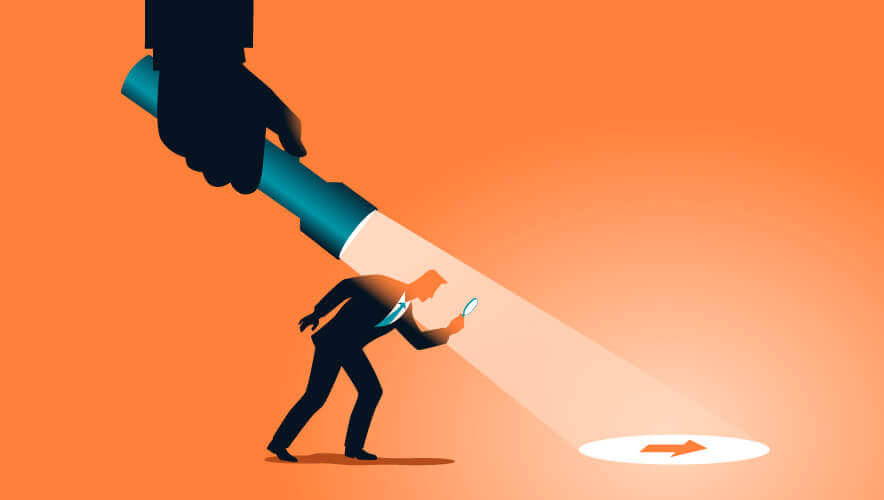
Surveillance remains one of the most critical tools available to professional investigators and security operatives. Whether it’s referred to as shadowing or target observation, the essence of surveillance lies in discreetly monitoring a subject’s movements, interactions, and behaviors. From a criminological standpoint, surveillance provides valuable intelligence for criminal and civil investigations, including fraud detection, infidelity inquiries, insurance claims, and missing persons cases. But mastering this craft demands more than simply following a target—it requires planning, patience, and strict adherence to legal and ethical standards.
Types, Benefits, and Risks
Surveillance generally falls into two categories: mobile and static. Mobile surveillance involves following a subject on the move—by vehicle or on foot. Static surveillance relies on maintaining observation from a fixed position. Both modalities offer distinct advantages, such as real-time intelligence gathering, pattern recognition, and evidence admissibility. Yet both also carry inherent risks, including exposure, liability, and safety concerns. Successful operatives learn to balance these factors while maintaining situational awareness and professional discipline.
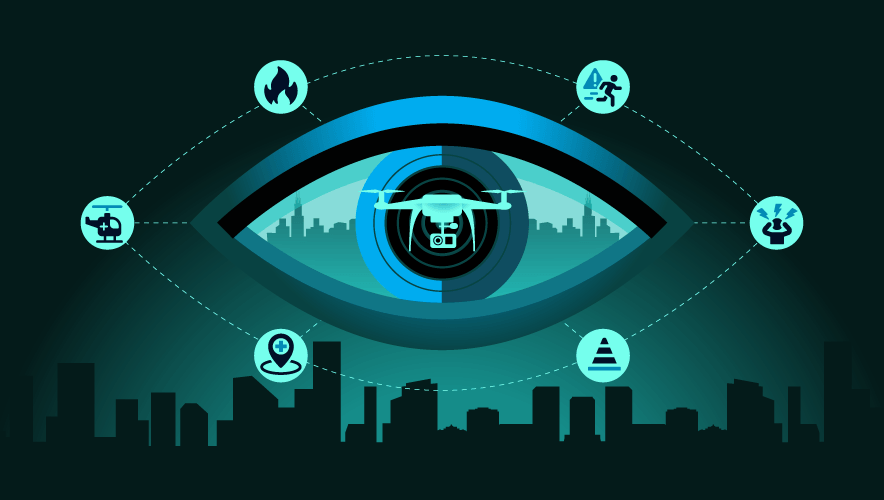
Electronic, video, aerial, and online surveillance each extend the investigator’s reach. Electronic monitoring—when legally authorized—can provide long-term tracking data. Video surveillance offers visual documentation of events, while drones can access difficult terrain or broad rural zones. Online surveillance, such as using open-source intelligence (OSINT) and social media analysis, can yield behavioral insights without direct contact. However, each approach is governed by privacy laws and regulatory boundaries that every investigator must respect to maintain professional integrity.
These laws will vary by jurisdiction, but generally, a licensed investigator has no special privilege to ignore privacy rights or trespass statutes. They may not enter private property without permission; trespass into fenced, gated, or otherwise restricted areas; cross intentional barriers clearly designed to provide privacy; use deception to gain unlawful access to restricted areas; tailgate, harass, stalk, or intimate the subject of the investigation; or engage in conduct that could be interpreted as menacing or coercive. Violations of privacy or trespass statutes can result in criminal charges, civil liability, and administrative discipline, including the suspension or revocation of licenses.
Professional surveillance is defined not only by what information is obtained but by how it is obtained. Evidence gathered unlawfully risks being excluded and may expose the investigator and client to legal consequences.
Preparation and Operational Readiness
Before engaging in surveillance, preparation is paramount. The professional investigator should possess a comprehensive understanding of the subject: current photographs, vehicle details, known associates, and habitual routes. Vehicle choice should be inconspicuous and unremarkable, avoiding any feature that draws attention. Essential equipment includes a reliable communication system, dashcam, binoculars, GPS, and backup navigation tools. Planning routes, establishing primary and alternate observation points, and identifying escape or restart zones form the foundation for a successful operation.
An integrated mental checklist is invaluable: Know the subject, prepare your equipment, understand your surroundings, and anticipate contingencies. Investigators should maintain a calm demeanor, match the subject’s pace, avoid aggressive maneuvers, and be ready to adapt using tactics like leapfrogging or parallel surveillance, when investigators use multiple vehicles to disguise surveillance or support better covert operations. Communication within a team is critical—surveillance units must coordinate rotations to reduce the risk of detection and preserve continuity.
Fixed Surveillance and Pretextual Integrity
Fixed or stationary surveillance often demands the use of a legitimate pretext to justify an investigator’s presence in the area. Whether posing as a real estate surveyor, delivery driver, or canvasser, the investigator’s pretext must be credible and appropriate to the environment. Investigators should remain visible but nonthreatening, change outerwear as needed, and never impersonate government officials or employees of real companies. If approached, politeness and composure are essential.
For added professionalism, investigators often notify local law enforcement in advance through nonemergency lines to prevent misunderstandings related to “suspicious vehicle” reports.
Countersurveillance Awareness
An experienced subject may attempt to identify or elude surveillance. Random U-turns, sudden stops, or mirror checks often indicate awareness of being followed. In such situations, the investigator should disengage temporarily, adjust routes, or rotate vehicles. Maintaining objectivity and patience prevents operational compromise and ensures investigator safety.
Legal and Safety Considerations
The most important principle of surveillance is to remain within the bounds of the law. Trespassing, harassment, or direct confrontation is never acceptable. The investigator’s duty is to observe and document, not to intervene. Should a crime occur in real time, it is the investigator’s responsibility to contact law enforcement immediately.
Adherence to traffic laws, cautious driving, and public safety must always take precedence over maintaining visual contact with a subject. No client request justifies risking life, safety, or professional licensure.
Documentation and Intelligence Reporting
Accurate documentation transforms surveillance observations into actionable intelligence. Professional investigators rely on structure and precision. Physical descriptions should follow the acronym RACES (race, age, complexion, eyes, and sex), supplemented with details such as hair color and style, estimated height and weight, clothing, tattoos, and distinguishing features. Vehicle data should be noted using CYMBALS (color, year, make, body, additional features, license, and state).
Reports should describe patterns of movement, associates, and habits objectively, free of speculation. Photographs and videos—when legally permissible—enhance evidentiary value. Every observation must include time stamps and be logged in a 24-hour format (also known as military time) to maintain consistency.
Surveillance Checklist in Practice
An experienced operative internalizes a mental checklist before and during each operation. This includes confirming legal authorization, verifying client objectives, inspecting equipment, reviewing subject intelligence, coordinating with team members, establishing communication protocols, mapping likely travel routes, identifying alternate observation points, and ensuring vehicle readiness. It also involves preparing legitimate pretexts, notifying local authorities when appropriate, and creating contingency plans for detection, loss of contact, or equipment malfunction.
Though seemingly routine, these preparatory steps often determine whether a surveillance operation succeeds or fails.
Effective surveillance is never the product of luck: It is the result of disciplined planning, lawful execution, and constant adaptability. Each investigation presents unique challenges, and even the most seasoned sleuth must plan for the unexpected, just-in-case scenario. Success lies in preparation, professionalism, and perseverance. As Theodore Roosevelt wisely noted, “Believe you can and you’re halfway there.” In the world of professional investigation, belief must be matched with skill, legality, and ethical resolve. These are the hallmarks of those who conduct surveillance not just effectively but also honorably.
John M. Gaspar, BS, MS, CFE, CSI, BAI, is a retired NYPD detective, formerly with the Major Case Squad and Homicide Division. He later served as detective supervisor for the Flagler County Sheriff’s Office, overseeing accreditation, training, and the Economic Crimes Unit. A certified forensic hypnotist and FDLE instructor, he has been a professor at St. John’s University and Keiser University, where he served as dean of academic affairs. Gaspar is a past president of both the Florida Association of Private Investigators (FAPI) and the Society of Professional Investigators (SPI).
Anthony J. Luizzo, PhD, CFE, is a retired NYPD detective specialist who served in the Crime Prevention Division and later held senior security positions with the NYC Mayor’s Office of Economic Development and NYC Health & Hospitals Corp. He is the author of Healthcare Security: Solutions for Management, Operations, and Administration and more than 150 professional publications. Luizzo is a founding member and president emeritus of the New York Chapter of Certified Fraud Examiners and a past president of SPI.
© John M. Gaspar and Anthony Luizzo, PhD, CFE, 2026