2 CPTED Must-Haves for Multitenant Buildings
Facilities in rural and suburban areas often use surrounding open spaces to their advantage to secure their perimeter and enforce access control.
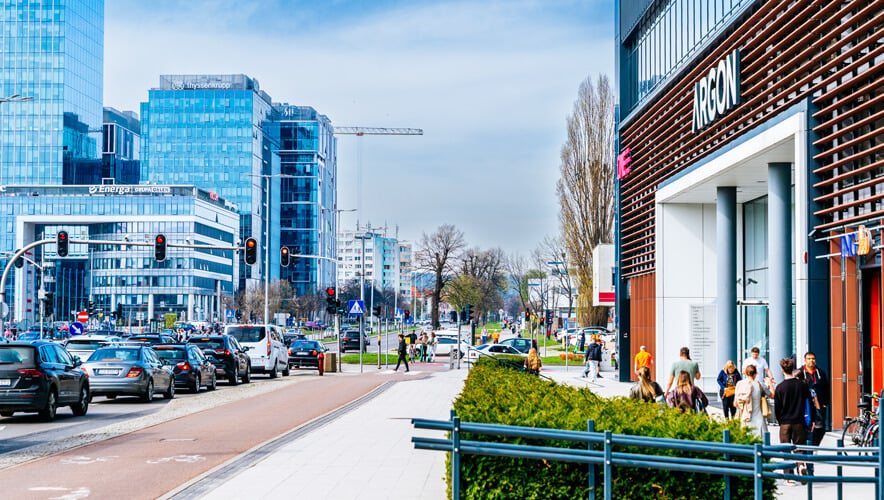
But instead of gateposts half a mile before the parking lot or barriers blended in with native plants, urban multitenant buildings only have so much room to use around the property to indicate that the space is intended only for staff, tenants, and legitimate visitors.
So, what can these buildings do when balancing a sense of welcome and belonging against colder or starker security elements? Elements of crime prevention through environmental design (CPTED) can still provide some assistance. Security engineering expert René Rieder, Jr, CPP, PSP, shares two CPTED priorities to focus on at these sites.
Create a Sense of Ownership
 The biggest priority for multitenant facilities or spaces in urban settings is a sense of place or ownership, according to Rieder. The building should be both identifiable and appear well-maintained. Spaces that appear neglected can convey a sense of unease to tenants, staff, or visitors.
“Folks get that feeling on the back of their neck that things aren’t right,” Rieder says. “They don’t know what it is, they just know as they’re walking up. They grab their bag a little closer. They kind of close in a little bit naturally.”
Whether it’s painting over graffiti, updating signage, or replacing burned-out lightbulbs, maintaining a space and indicating that it serves a specific purpose can counter that unease.
Enhance Natural Surveillance
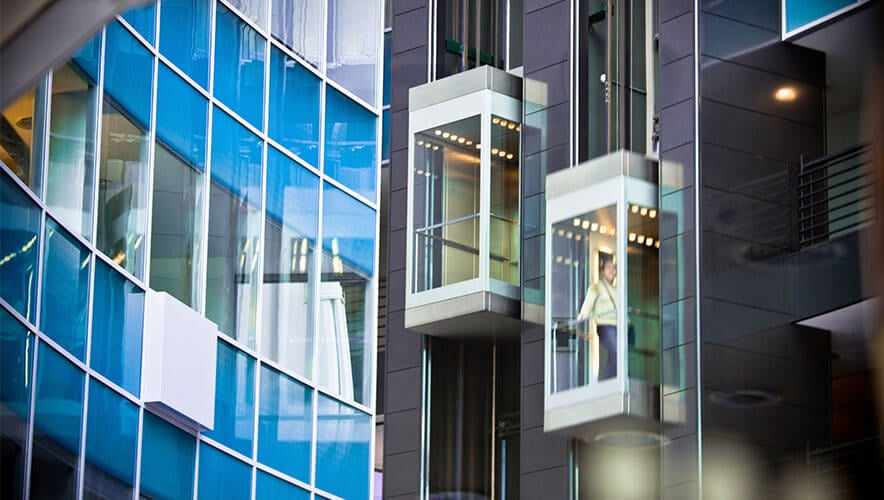
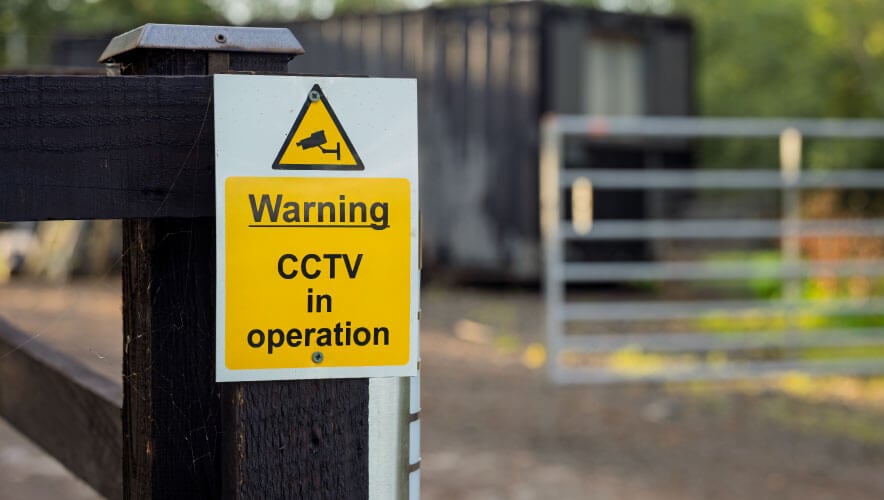
 Regardless of where a building is, securing that space relies on knowledge and situational awareness—much of which comes from surveillance. If security personnel stationed in a lobby have a limited view of the entrance and those approaching it, their reaction to a potential threat will also be limited.
Facilities often put the security station in a corner of the lobby, but that position usually restricts the guard’s field of view. Instead, place security in the middle of the lobby.
It might sound ridiculous, Rieder says, but “the change that you’ll have in your security feeling just from that simple move by making that person not only more visible to the public, but providing that individual with the ability to look out and see what’s going on is leaps and bounds. And costs next to nothing.”
Successfully leveraging these two CPTED elements helps employees, residents, and visitors relax when they approach or are within a space, increasing the trust they have in the building and the security personnel that support it.
Sara Mosqueda is associate editor at Security Management. You can send her an email at [email protected] or connect with her on LinkedIn.