Q&A: What Makes Securing This Year’s World Cup Different?
Are you hustling to map potential risks to your organization from the FIFA World Cup 2026? You’re not alone, especially as risk conditions and geopolitics keep changing and escalating. For an overview of how geopolitical elements affect World Cup preparedness, Security Management checked in with Caroline Hammer, global security analyst at RANE. She breaks down what differences experienced event security professionals should expect this year, from hooliganism to activism to geopolitically driven flashpoints.
The interview has been lightly edited for length.
Security Management (SM). What are some of the core risks you’re watching during the 2026 FIFA World Cup? How are they challenges for corporate security teams?
Caroline Hammer. The top risks we are watching for the 2026 FIFA World Cup are related to how activist groups and threat actors may attempt to use the high-profile nature of the event to bring increased attention to their causes. This will likely include protests by a range of groups focused on domestic or international issues, ranging from U.S. political disputes to economic concerns in Mexico to opposition to conflicts in the Middle East.
Though the World Cup will not be a specific focus for most protests, attempting to demonstrate in the vicinity of matches or related events, such as fan zones or concerts, or to actively disrupt them will be attractive. This would risk creating broader business disruptions for organizations in the vicinity of protests.
There is additionally the concern that more overtly violent actors could similarly wish to target the events, with extremist threats most likely to stem from either Islamist extremists or left- or right-wing extremists in the United States and to a lesser extent Canada. In either case, the perpetrator would most likely be a lone actor, given the host governments’ capability to identify and disrupt more coordinated, higher casualty attacks and to respond quickly to attacks on venues. Still, as there will be a large volume of unofficial events related to the World Cup, there will remain elevated risks from attacks.
Mexico will experience higher violence crime threats in comparison to the United States and Canada, as though the three host cities of Mexico City, Monterrey, and Guadalajara experience below-average violence, there remains the concern that cartels or local gangs will conduct extreme violence in the vicinity of events.
Another concern for corporate security teams will come from cyber threats, as we expect risks from both state and non-state actors to rise, to include hacktivism, efforts to disrupt critical infrastructure, and disinformation concerns—all of which have been seen in major sporting events in the last few years.
A final tangential concern is that the increased security focus on the World Cup by the three host nations will likely necessitate the diversion of local and federal law enforcement and intelligence personnel to focus on the event, which will risk straining resources and resulting in gaps that allow threat actors to more easily conduct disruptive or dangerous actions, including against areas not hosting World Cup matches.
SM. What makes the World Cup different from other mass events corporate security teams have managed, such as the Olympics?
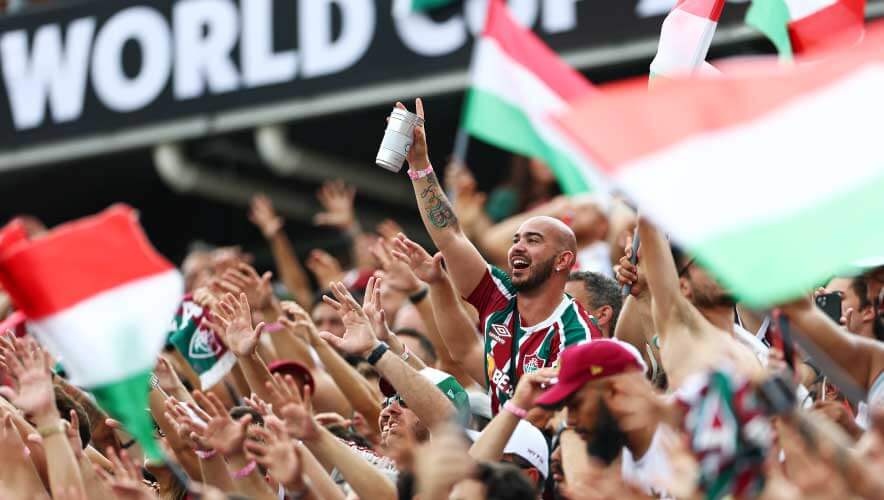
Hammer. A major difference between the World Cup and the Olympics is the fan culture surrounding the event. While there are sometimes issues of violence during the Olympics, the World Cup consistently sees football hooliganism, with vandalism and violence as fans riot or engage in disruptive celebrations in public areas depending on if their teams win or lose.
The United States and Canada do not experience a significant risk from this related to soccer, but there is the potential for cities such as Miami, Philadelphia, or Los Angeles to see some incidents.
Mexico will be particularly at risk for clashes during or after matches, given previous such incidents related to the domestic football matches.
Furthermore, as seen in recent World Cups, this issue will extend beyond the host countries, with at least some of the countries that make it to the final rounds likely to see football hooliganism domestically. In terms of corporate security, this will make it important to monitor which teams are progressing and the sentiment surrounding the matches to determine the risk to operations in the host countries and elsewhere.
SM. How does geopolitical risk overlap with this year’s tournament? How is this year different?
Hammer. This year is particularly unique in comparison to recent World Cups (and Olympics) in that one of the host countries, the United States, is embroiled in multiple global issues driving geopolitical tensions. Amid the conflicts in the Middle East and Ukraine, U.S. trade tensions, and efforts to expand U.S. influence across the Western Hemisphere, there are a range of issues that will further drive unrest, terror threats, and cybersecurity risks. Some of these events have already impacted the World Cup, as Russia remains suspended from participation in all FIFA competitions and there was dispute over whether Iran would participate and whether the Iranian team’s matches would take place in the United States.
As these geopolitical issues are fluid, there is further the potential for a major development to occur during the World Cup that escalates tensions or security risks. For example, an escalation in the Iran conflict or an escalation in the U.S. government’s immigration crackdown would risk triggering a further increase in antigovernment unrest in the United States. The United States will additionally face further elevated risks as the World Cup will coincide with the country’s 250th independence anniversary on 4 July and expanded political campaigning for upcoming primary elections and the midterm elections in November.
SM. In a holistic risk picture, across geopolitical, cyber, physical, and regulatory, how can security teams stay informed about emerging and changing risks during the World Cup?
Hammer. Ahead of the World Cup, it is critical for corporate security teams to ensure that they understand from where the main threats to their facilities, personnel, and operations from the event stem, whether it be concerns of transportation disruptions and increased security scrutiny at borders in the host countries, or concerns of football hooliganism in other countries around the world.
Risk mapping to better build out an organization’s understanding of direct, secondary, and tertiary risks can additionally assist in prioritizing the scale of threats to ensure proper allocation of security resources. For particularly critical risks, many organizations will benefit from conducting scenario planning to ensure that they are aware of the different scales of impact that could occur, further driving monitoring efforts. Once critical areas are identified, teams can better hone their (open-source intelligence) OSINT collection programs to ensure that critical developments related to the World Cup are identified and teams can respond.
Additionally, given the likelihood that broader geopolitical issues will partially drive security threats, it will also be important to monitor particularly controversial global events in order to identify flashpoints before they escalate into issues of significant concern in the host countries.
SM. What should an effective debrief include after the tournament concludes? What would you expect security teams to learn and adapt from the event?
Hammer. A key piece of information for organizations to consider following the World Cup will be the efficacy of local law enforcement and government intelligence capabilities. Some extremist or activist groups certainly have the intent to attempt to conduct attacks or other disruptive actions during the World Cup. Therefore, whether or not authorities are able to effectively combat threats even during a period of increased events to secure, increased tensions with one another, and increased geopolitical threat drivers will be informative on how capable the governments are in combating threats over the coming years. This will provide insights into how best to allocate risk mitigation resources.
In the United States, these lessons will be particularly important to incorporate given the upcoming midterm elections and in the longer term the Los Angeles 2028 Summer Olympics.
Claire Meyer is editor-in-chief of Security Management. Connect with her on LinkedIn or via email at [email protected].