Survey: Workplace Safety Concerns Influencing Turnover in U.S. Healthcare
Nearly 60 percent of U.S. healthcare workers worry about safety in the workplace, and those concerns are causing some to consider leaving their positions, according to a survey of more than 1,000 healthcare workers by security technology company Verkada and The Harris Poll.
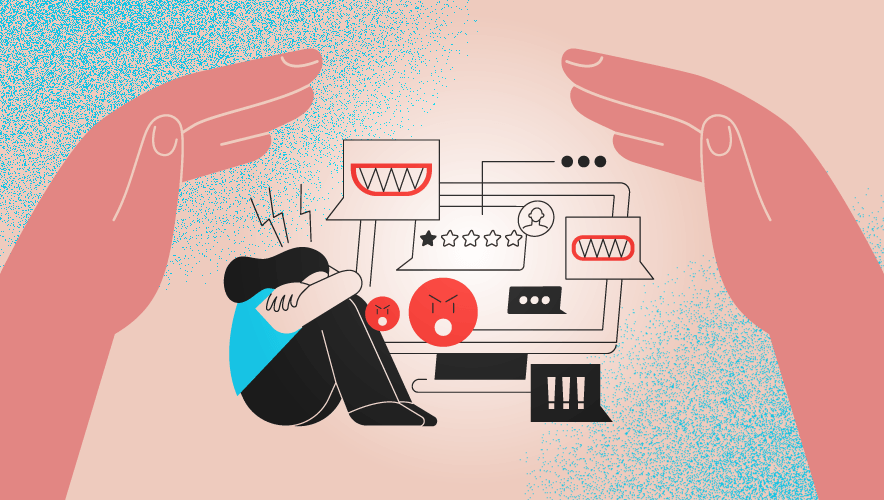
The resulting report, The State of Healthcare Worker Safety, found that 21 percent of U.S. healthcare workers—nearly 3 million people—said they worry about verbal harassment from patients most of the time or every time they go to work.
The workers reported widespread exposure to aggressive incidents; 79 percent experienced or witnessed aggressive behavior or threats from patients and 61 percent from non-patients. More than half have felt threatened by patients or families, and 53 percent have heard coworkers express safety concerns.
“I have been personally threatened by angry patients,” one survey respondent said. “I’ve also had patients threaten my family due to being frustrated with care given by other healthcare providers. I’m just the messenger, and angry patients often go off on the messenger.”
Female healthcare professionals consistently report higher exposure to workplace violence across all categories, the survey found. Eighty-eight percent of female healthcare workers reported experiencing or witnessing verbal harassment from patients, compared to 80 percent of males. Physical assault was even more uneven—48 percent of females reported experiencing or witnessing it, compared to 34 percent of males.
Younger workers also said they experience more abuse. There is a 41-percentage-point gap between Gen Z and Baby Boomer workers who reported experiencing or witnessing physical assault on the job (60 percent and 19 percent, respectively) and a 27-point gap when it comes to verbal harassment (94 percent and 67 percent).
Nurses are also far more likely to experience workplace violence than physicians, partly because nurses have more direct and prolonged patient contact. Nurses were twice as likely as doctors to be physically assaulted by patients (60 percent versus 29 percent), the survey found.
|
Incidents Healthcare Workers Say They Have Experienced at Their Workplace |
|
|
Verbal harassment from patients |
85% |
|
Aggressive behavior/threats from patients |
79% |
|
Verbal harassment from non-patients |
69% |
|
Aggressive behavior/threats from non-patients |
61% |
|
Drug-related aggression, threats, or violence |
48% |
|
Physical assault by patients |
43% |
|
Patient-on-patient violence |
21% |
|
Physical assault by non-patients |
20% |
|
Active shooter scenario |
8% |
Feelings of safety at work are also on the decline. Among nurses, 61 percent said they are more concerned about their safety at work today compared to when they started working in healthcare, 59 percent are more concerned today than before the COVID-19 pandemic, and 40 percent are more concerned today than a year ago.
Security has notable effects on employee retention in healthcare, the report found. Nearly 20 percent of workers said they have considered leaving their positions because of safety concerns, and almost half are likely to leave within the next 12 months if safety issues persist. Meanwhile, 52 percent of workers agreed that personal safety concerns are actively deterring people from entering the healthcare profession.
Healthcare already takes a significant toll on workers, and security concerns could exacerbate already critical talent shortages. A quarter of nurses surveyed said they are looking for new jobs due to personal safety concerns, and 36 percent of emergency room professionals said the same.
Despite growing concerns, 77 percent of healthcare workers said they have seen no change in the level of security in the last 12 months. More than a third of workers surveyed said negative events might have been preventable if better security measures were in place.
Two in five workers (41 percent) said they feel they have minimal security at their workplace. Even if their facilities have security technology or measures, implementation is often uneven or missing key procedures. For example, 67 percent of hospitals have visitor registration and check-in, but only 40 percent require ID checks, the report said.
More than 80 percent of healthcare workers surveyed said they want their employer to increase security measures.
|
Security Measures That Would Give Healthcare Workers Most Peace of Mind |
|
|
On-site security guards |
63% |
|
Weapon detection technology |
49% |
|
Panic buttons |
48% |
|
Controlled entry |
45% |
|
Video security monitoring |
42% |
|
Parking lot surveillance |
38% |
|
Way to identify high-risk or banned individuals |
36% |
|
Enhanced access control |
34% |
|
Alarm systems |
30% |
For more on this topic, revisit our series on Workplace Violence in Healthcare.