Fake Active Assailant Swatting Hoaxes Hit Universities
Millions of college students returned to campus this week in the United States, but the semester started with panic at multiple universities after active assailant hoaxes.
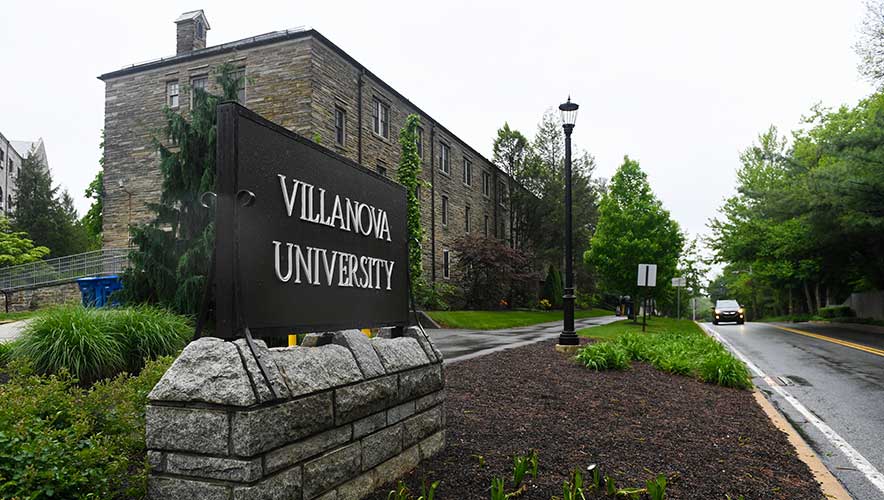
At Villanova University in Pennsylvania, students were told via the school’s alert system at around 4:30 p.m. on 21 August that there was an active shooter on campus. They were instructed to move to secure locations and lock or barricade doors. Videos and photos posted to social media show scenes of panic among students, USA Today reported.
Follow-up alerts were sent to inform students that police were on the scene and searching for the assailant until the shelter-in-place order was lifted at 6:00 p.m.
Villanova President Rev. Peter Donohue called the incident “a cruel hoax,” noting that there was no active shooter, no injuries, and no evidence of firearms present on campus. “While that is a blessing and relief, I know today’s events have shaken our entire community,” he wrote.
Someone had called 911 to report a man with an AR-15-style weapon on campus, and there were multiple calls with gunshot-like sounds in the background, according to a statement from a Delaware County spokesperson. About 30 minutes after the initial call, someone called to report a gunshot wound, the Associated Press reported.
Pennsylvania Governor Josh Shapiro instructed state police to use all the tools they have available to “find the person or people who called in this fake threat and hold them accountable.”
Earlier the same day, the Chattanooga campus of the University of Tennessee locked down after a report of an active shooter on campus in the university center or library. No threat was found, and the lockdown was lifted after about an hour. Classes for the rest of the day were cancelled.
On 19 August, the second day of classes this term, a false report of a possible armed suspect shut down Doane University in Nebraska.
The hoaxes were swatting incidents, where the perpetrator reports in a serious threat to elicit a heavy law enforcement response that will cause disruption and panic. Cases often involve a report against an individual or specific organization in order to harass or potentially injure them.
“Swatting may be conducted to harass, intimidate, or retaliate against intended targets,” the FBI explained. “It is a serious crime that can have deadly consequences due to confusion on the part of victims and responding officials, and that also diverts limited public safety resources from valid emergencies.”
But swatting cases against institutions—including universities and K-12 schools—is on the rise.
The most frequent violent incident type in the 2022-2023 school year was a false report of an active shooter, accounting for 63.8 percent of violent incidents in U.S. K-12 schools that year (446 false reports), according to the Educator’s School Safety Network. In the 2018-2019 school year, there were only 69 false reports recorded.
The trend continues. Between January 2023 and June 2024, there were more than 800 instances of swatting at U.S. elementary, middle, and high schools, according to the K-12 School Shootings Database. In March 2023 alone, there were 210 reported incidents. In their rush to address an alleged active threat, law enforcement have had heavy-handed responses, including using a police car to ram into school buildings to gain access swiftly.
“Anytime officers respond code 3 (lights and sirens) for a shooting in progress at a school, there is a high level of danger,” according to a 2023 Substack post from the K-12 School Shootings Database team. “This week, teachers in Michigan described officers with guns drawn searching their classrooms as students hid under desks. When 911 gets the call and urgently dispatches police, people at the school have no idea there was even a threat made.”
The hoaxes are expensive, in terms of institutional and law enforcement resources needed to respond, and they can also be traumatic for victims—including the students affected this week at Villanova and the University of Tennessee.
“It is critical to understand that these events, while ultimately determined to be false, necessitate an immediate, intensive response from both law enforcement and the school community,” according to the Educator’s School Safety Network. “In other words, schools and law enforcement responded as though they were in a life or death situation. Only later was it determined there was no shooter, and that the incident was a false report. In the heat of the moment, students and staff believed and took action as if their lives were in jeopardy.”