Rethinking Physical Security: Why Life-Cycle Management is Now Table Stakes
For security leaders across industries—whether at a university dealing with legacy infrastructure, a retailer managing dozens of vendors, or a manufacturer trying to track thousands of devices—the pattern is the same. Infrastructure has scaled. Complexity has increased. But the way it’s managed hasn’t changed much.
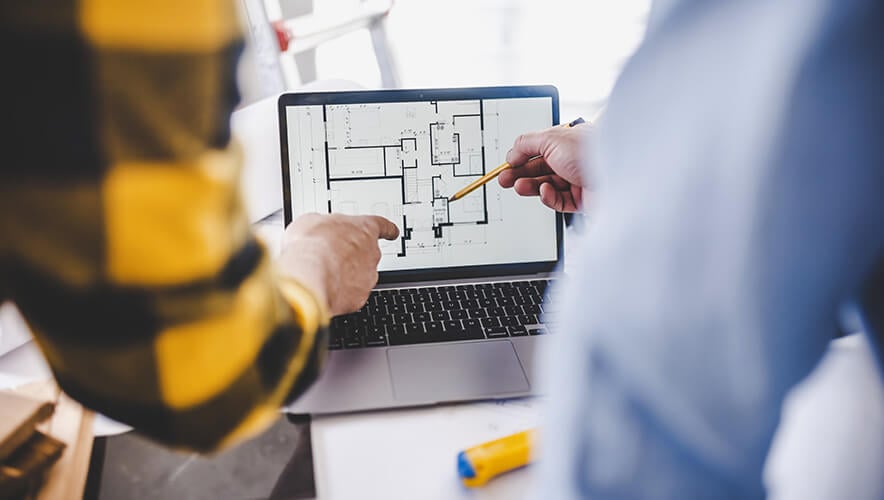
Most teams rely on trusted vendors, capable internal staff, and familiar processes. But underneath that, the operating model is stretched thin. Floor plans live in computer-aided design (CAD) files or PDFs. Device information is maintained in spreadsheets. Service history and warranty information are fragmented or incomplete. As systems expand, so does the effort required just to keep things running.
Complexity Increases, Visibility Declines
I often hear stories that follow the same arc. Installations are completed, but the details aren’t consistently captured. Over time, it becomes difficult to compare performance or identify patterns across locations. In one case, a team discovered repeated device failures only after reviewing work orders manually. They had no central place to track service history or warranty status.
In another, project documentation was stored across different systems. When a device needed replacement, no one could verify what had been installed, when it was last serviced, or whether it was still under warranty. People were doing their best, but they were operating without reliable data.
These gaps don’t happen just because someone missed a step. They happen because the process doesn’t support continuity. Security infrastructure is often managed one project at a time. A system is designed, installed, and handed off, and then attention moves on. And that’s the root of the problem.
Without a way to connect design, install, service, and audit for a continuous model, teams are left stitching together a view of the system after the fact.
Adding Structure to the Process
This is where life-cycle management becomes essential.
It is an operational approach that gives security teams end-to-end control over their infrastructure—starting with planning and extending through decommissioning. It’s built on a simple premise: You cannot manage what you cannot see. Planning only works when you have a current, accurate picture of what already exists. That includes device types, locations, install conditions, service history, and operational status.
From that foundation, each phase connects to the next. Design reflects real conditions, not outdated assumptions. Installations are documented in a way that supports future service. Maintenance decisions are based on history, not guesswork. When it is time to audit, teams aren’t starting from scratch. They have a complete, up-to-date record of what was installed and when, and how it has been maintained.
In practice, life-cycle management reduces duplication, shortens project cycles, and gives teams more confidence in the decisions they make. Instead of rebuilding context each time a new infrastructure issue arises, teams can act on what they already know.
As systems expand, so does the effort required just to keep things running.
Help Teams Sustain Performance Over Time
Once systems are installed, the focus shifts to maintaining performance, preventing failures, and planning for what comes next.
This is where life-cycle platforms help. These systems provide a current, centralized view of every asset—including digital floor plans with visual representations of device locations, installation details, warranty status, service history, and operational condition. When teams can see what’s deployed, what’s supported, and what’s likely to fail, they can prioritize upgrades, identify recurring issues, and extend equipment life.
Progress Doesn’t Require Transformation
Many security teams are already making the shift, but they aren’t overhauling everything at once. They are identifying where breakdowns are happening and building structure around those points.
In some cases, that means improving how projects are scoped and handed off. In others, it starts with standardizing service documentation or consolidating asset data. These early steps create the foundation for stronger infrastructure management.
As structure improves, teams spend less time chasing information and more time addressing real issues. What changes is not the amount of work: It is the level of control.
The Opportunity for Security Leaders
Security teams today are being asked to manage more infrastructure, more risk, and more scrutiny—often without more resources. The environment has changed, but many of the underlying processes have not.
Life-cycle management gives teams a way to move forward with structure. It creates continuity across the full system life cycle, so information is not lost, decisions are easier to make, and performance is easier to measure.
If your team finds itself relying on manual tracking, scattered documentation, or workflows that don’t connect, now is the right time to revisit how the work is being managed.
Su Subburaj serves as chief marketing officer at SiteOwl, a physical security system life-cycle management platform. She has more than 20 years of experience in enterprise technology, with a career spanning go-to-market leadership, category development, and market education for complex technology platforms.