6 Considerations for Managing Fan Misbehavior in Modern Sports Venues
Today’s sports and entertainment industry is a multibillion-dollar juggernaut encompassing e-sports, naming rights, sponsorships, venue operations, sports betting, and deals for using players’ names, images, and likeness.
Sports marketers’ primary focus is on generating revenue streams, while sports security professionals are entrusted with properly safeguarding fans in densely populated spaces. As fan misbehavior and other risks evolve, adopting a holistic approach is key for safeguarding stadiums, venues, and arenas.
Fan Dynamics
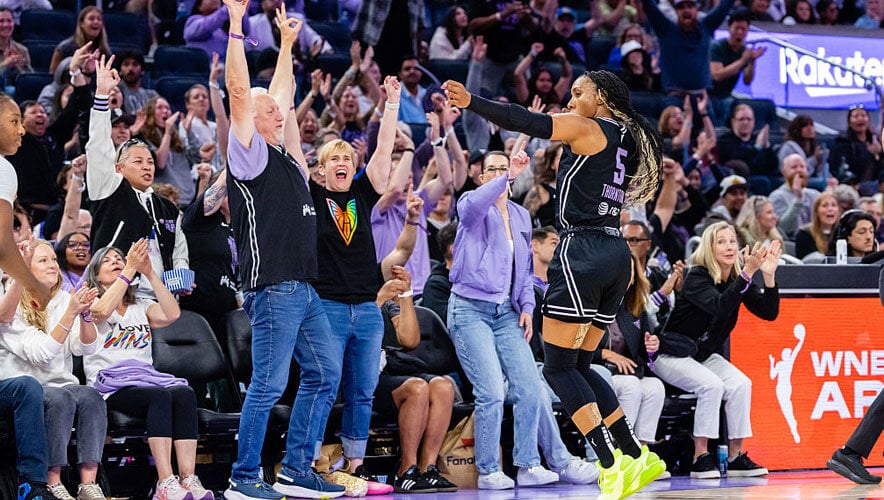
Live events and concerts tend to attract diverse crowds whose heightened passions can escalate into disruptive behavior.
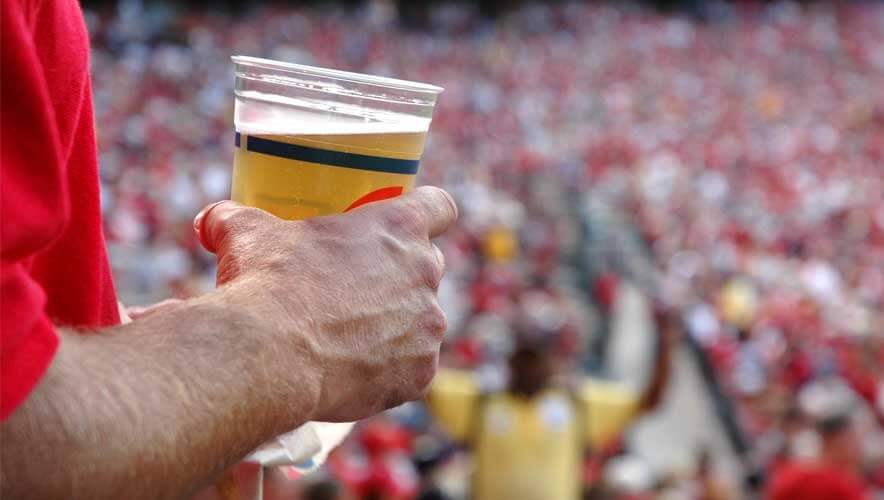
A variety of factors exacerbate this behavior. First is illicit substance use and consumption of alcohol, which is legally served at many event venues to fans of legal drinking age. When fans become intoxicated, though, they can become more aggressive, more confrontational, and more likely to experience an emergency that requires a security response. Alcohol sales can also increase the likelihood of vandalism and property damage.
During an NFL game between the Los Angeles Chargers and Dallas Cowboys on 16 October 2023, for instance, fans began fighting in the concourses of SoFi Stadium in Inglewood, California. An employee of a security contractor for the stadium who was interviewed by a local ABC News station blamed the violent behavior on the amount of alcohol people can buy at the stadium.
“They’re already drinking when they’re tailgating, then they come [into the stadium] and do a lot more drinking, and it’s just a whole lot of chaos,” said Deanna Williams, who worked for private security provider Contemporary Services Corp. Los Angeles at the time.
Second, team rivalries and fans’ emotional investment can heighten the risk of disruptive behavior. Fans who are loyal to their club or team, or a particular performer, can become combative with fans who are not.
At the conclusion of heated Southeastern Conference (SEC) NCAA football rivalry games on 5 October 2024, University of Arkansas fans stormed their home field after their team beat the University of Tennessee. Elsewhere, Vanderbilt fans stormed the field after their team beat the University of Alabama in their weekend rivalry game. Vanderbilt fans tore down a goalpost and dropped it into the Cumberland River—about 2.5 miles from the stadium. The SEC fined Vanderbilt $100,000 and Arkansas $500,000—since it was the university’s second field-storming offense, according to ESPN.
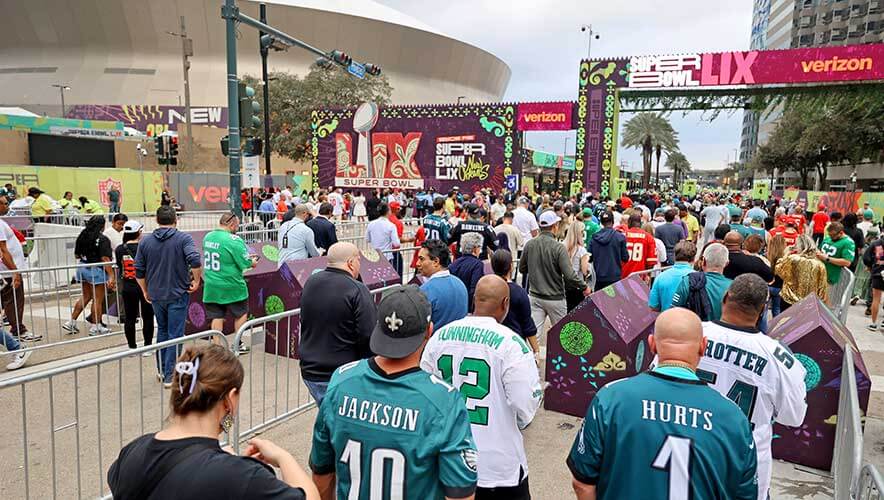
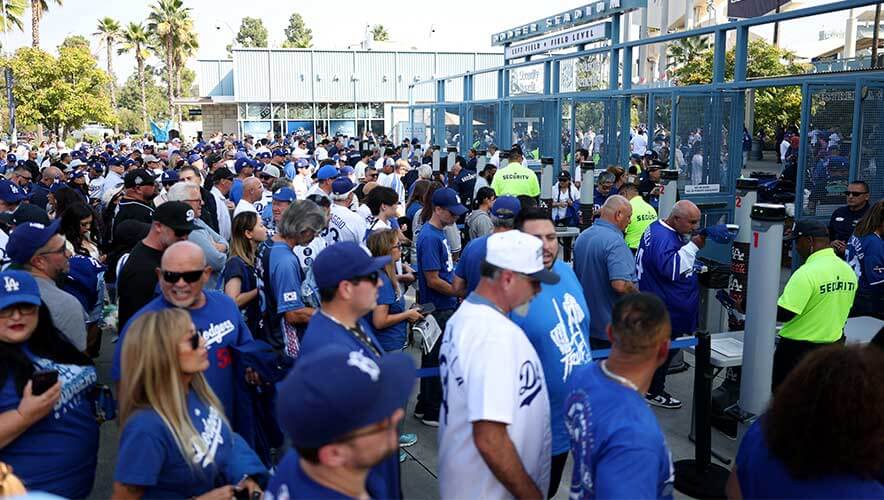
Third, complex crowd dynamics can alter fans’ behavior. Densely populated spaces—especially during ingress and egress screening—can create bottlenecks and pinch points that amplify the potential for crowd-related incidents.
This problem was apparent at the Copa América soccer final between Argentina and Colombia at Hard Rock Stadium in Miami, Florida, on 14 July 2024. Thousands of fans without tickets attempted to enter the stadium—breaching security railings and causing more than 900 members of law enforcement to respond to the event, ESPN reported. The chaos delayed the start of the match by more than an hour.
Balancing Safety and Fan Experience
Proactive risk mitigation encompasses crowd management, because fan violence and disruptions can delay and cancel events, slow responses to other security incidents or medical emergencies, and create inherent liability exposure for venue operators.
Venue operators should address crowd management using six considerations:
Plan before the event. Prepare to and then deploy staff strategically, based on crowd size, venue layout, and high-risk zones. In training these staff members, emphasize verbal de-escalation, threat and behavioral analysis, the value of crime prevention through environmental design, and personal situational awareness. Special attention should be given to presenting a layered security approach: inner, middle, and outer perimeter protection.
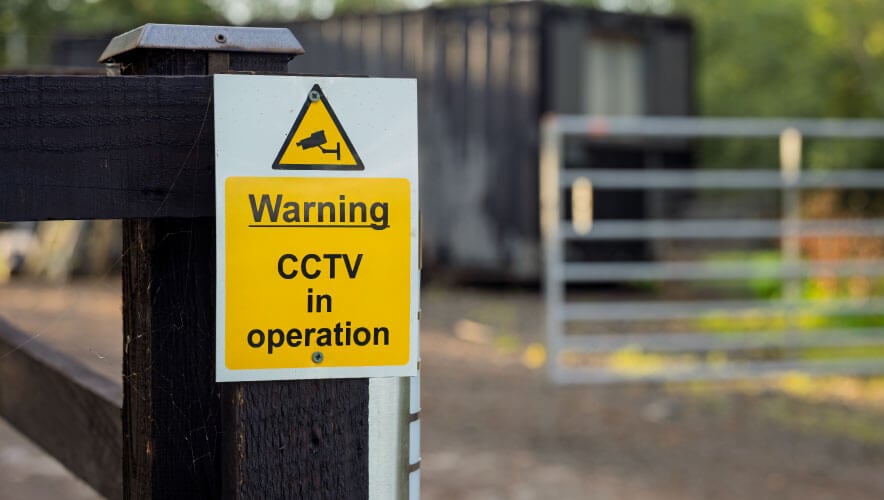
Integrate technology. At the venue, utilize video surveillance, access control, antidrone measures, geofencing, and responsible biometrics use. Additionally, consider using social media monitoring for real-time intelligence gathering and crowd management. Have a process to properly track incidents—including slips, trips, and falls—and fan misbehavior, and assess those incidents to improve overall venue operational efficiencies. Create the ability to monitor severe and inclement weather conditions proactively via the venue’s command center. Deploying a full-time meteorologist on-site to assist with these efforts can be helpful.
Train and develop staff. Provide staff training in verbal de-escalation, situational awareness, and threat and behavioral analysis and assessment. Conduct scenario-based exercises to prepare staff for real incidents and ensure they are ready for emergencies or venue security breaches during performance time. Then, review after-action reports, case studies, and best practices guidance for lessons learned from these initiatives.
Develop effective Alcohol Beverage Control (ABC) programs. At the venue, implement ID checks, wristband policies, drink limits, and service cutoffs for alcoholic beverage sales. Staff should communicate these mitigation measures to fans to promote their understanding, compliance, and safety while ensuring responsible ABC skills strategies.
Educate fans. Communicate with fans about the code of conduct at the venue through signage, public service announcements, and smartphone applications. Create, deploy, and inform fans of anonymous texting and website tools for reporting fan misbehavior or security concerns directly to venue staff. Educated fans are safer fans.
Foster partnerships. Establish robust relationships with law enforcement, emergency management services, local fire department leadership, and other venue management and security practitioners. Fostering these partnerships and sharing information bolster emergency preparedness for everyone.
The Fan-First Approach
Balancing safety and the overall fan experience is paramount for creating a positive game-day experience. Prioritizing a fan-first approach engages attendees while minimizing inherent risks. Leveraging technology, fostering strong public-private partnerships, and investing in frequent venue staff drills enable a safer, more enjoyable patron environment.
Managing fan misbehavior is a key component of risk mitigation, requiring comprehensive security measures, enterprise-level security risk management, and highly trained venue staff. Effective crowd management starts with understanding crowd demographics, proper controls of intoxicated fans, and evacuation and shelter-in-place procedures. At the same time, personal situational awareness promotes both safety and security initiatives. Conversely, uncontrolled fan violence incidents can result in liability exposure, tarnished brand image, and financial exposure to the venue.
Ultimately, investing in holistic enterprise security and fan engagement strategies safeguards both fans and the broader venue experience, ensuring memorable and secure events.
James A. DeMeo is a nationally recognized expert in event and stadium security, with more than three decades of experience in the security industry. A retired detective from the Nassau County Police Department, Long Island, New York, DeMeo served 21 years in law enforcement before transitioning into the private sector. He earned his Master of Science degree in sport management from Adelphi University and now serves as founder, president, and CEO of Unified Sports & Entertainment Security Consulting, LLC, based in Raleigh, North Carolina. He also serves as an online adjunct faculty instructor with several universities, teaching both graduate and undergraduate courses in risk assessment and stadium security.