The Unique Challenges of Securing America’s Public Spaces
Public spaces like municipal complexes, public parks, libraries, beaches, and sidewalks are quintessential gathering places of every city, town, and county across America. Their vibrant and active use forms the backbone of strong, healthy, and resilient communities, where citizens are encouraged to congregate, play, and conduct public discourse. They are widely accessible with limited restrictions, limitless exposure, and a clear affiliation to government and authority.
Because of those affiliations and accessibility, public spaces can draw a variety of behaviors that may negatively affect the space and the people using them. These can range from nuisance behavior, such as panhandling and street preaching, to more serious events, such as large-scale protests and demonstrations, and to dangerous behaviors targeting government personnel, authority, and legitimacy. Even the most basic nuisance behaviors can have long-term consequences on the community because they erode the public perception of safety within these spaces.
Access control to a site or facility is the foundational need for any property owner, setting the tone for what is and is not permissible on that property. The owner of a property, or the owner’s agent, can create rules and regulations for how individuals must act when on the property, as long as the owner has the authority to limit access to individuals who fail to comply. Failure to follow established rules can then serve as the basis to revoke an individual’s access to the property, resulting in removal and or a ban.
Understanding Security’s Rights in Public Spaces
To understand public spaces, it is important to first understand the primary difference between public and private property. Public property is space that is owned by a local, state, or federal government, or their political subdivision, while private property is space owned by a private entity. In privately owned space, such as retail centers, amusement venues, and other commercial centers, the private ownership can withdraw consent of access for any or no reason, and they can act to prevent or remove anyone from their property at their discretion, as long as they are not acting in a discriminatory capacity that violates federal law.
Securing certain public spaces is more complicated because public parks, libraries, and other spaces are owned by the locality—essentially the citizens of the community themselves. Unlike privately owned areas that are open by invitation to the general public, a public space is open to all, and the citizens have a fundamental right to be on public property unless the government makes a compelling argument for why they cannot be there. This drives the primary issue: the balance between the rights of the government to control their property and the rights of the people to access it.
The U.S. Constitution and many state constitutions specifically restrict a government’s authority to take away rights from citizens without a legal due process. This means that the government or its agents cannot revoke an individual’s right to access or remain on the property without following a specific legal process, as well as allowing the individual to argue their case. This is known as due process and it applies to all manner of citizen rights, not just the rights of being on public property.
In some areas, the law is already well established and sides with the citizens, as is the case with First Amendment protections covering speech, press, assembly, petition, and religion. These protections cover a myriad of behaviors in the public space, such as panhandling, protesting, coming to public meetings, and even preaching on a street corner. While some reasonable restrictions can be applied, most of these activities are lawful and protected by the First Amendment in traditional public spaces. For example, localities may create First Amendment protest zones to prevent protests and counterprotests from interfering with each other or other legitimate activity, but they cannot prohibit the protest outright.
Likewise, localities may restrict access to certain areas due to the potential disruption, but they cannot create a blanket ban on panhandling, a protected First Amendment activity. This protection means that public safety and security personnel cannot remove individuals from traditional public spaces simply for these acts.
Recent case laws on homelessness have also been added to the mix, defining that being homeless or unhoused is not a crime, and that individuals who were sleeping or sitting in public spaces could not be removed simply for the act of sleeping or sitting in those spaces. For example, the U.S. Supreme Court ruled last year that localities do have the authority to ban outdoor sleeping in public spaces, although it was a divided 6-3 decision. The Court found that ordinances restricting camping in public spaces did not criminalize the status of being homeless, but rather the activity of occupying a campsite on public property for the purpose of maintaining a temporary place to live. (City of Grant Pass v. Johnson, United States Supreme Court, 603 U.S. 520, 2024)
Older cases also sought protections for individuals with mental illness, like O’Connor v. Donaldson (U.S. Supreme Court, 422 U.S. 563, 1975), which argued that a finding of mental illness alone did not justify locking an individual up in indefinite confinement. Additionally, Robinson v. California (U.S. Supreme Court, 370 U.S. 660, 1962) established that punishing the status of a drug addiction is cruel and unusual punishment, helping lay the foundation for the view of many courts that drug addiction is an extension of a mental illness rather than a crime in of itself.
Localities may restrict access to certain areas due to the potential disruption, but they cannot create a blanket ban on panhandling.
These protections create challenges for security personnel who attempt to enforce access control in public spaces, as several common nuisance behaviors occurring in public spaces are specifically protected by the Constitution.
Consider the example of a family with young children coming to a public library and encountering someone sleeping on the public bench outside of the library entrance doors or asking people for money as they approach the library doors. That family may find the behavior concerning and feel unsafe as they approach the library, prompting them to go elsewhere. Conversely, that individual may find safety in being close to a busy government building, with lighting, restrooms, air conditioning, and free Wi-Fi. He or she prefers to be there, and the law will generally agree with them. This creates a disconnect for library management, because the patron they are attracting may be pushing away others.
Securing Public Spaces
So, what can the security and law enforcement community do to make public spaces safer? First, not all public spaces are the same; in fact, not all of them are completely open to the public. The government has the right to control its own space, and it does so by designating public spaces into one of three categories: traditional, designated, and non-public.
Traditional public forums. These public forums are the most commonly accessible and publicly used spaces. They include public sidewalks, street, and parks, and generally there are limited restrictions on what the public can do there. However, even these spaces are not totally without restrictions. While public expressions including protests, panhandling, and other free speech and assembly are allowed, there are restrictions on other behaviors, such as blocking free egress for others, endangering the public, and inciting violence.
Panhandling is a great example of a First Amendment-protected activity that is allowable in a traditional public forum, unless the panhandler’s behavior becomes too aggressive and crosses the line into criminal activity. When the panhandler blocks people from accessing a vehicle or building entrance (an action prohibited by Virginia Code 18.2-404), uses threats in an attempt to intimidate or coerce people into giving them money, or physically assaults an individual, their behavior changes from a constitutionally protected free speech activity to a potential crime, and it is no longer required to be tolerated. Security personnel may act to remove that individual from the public property based not on their panhandling, but on the escalation to a criminal activity.
Designated or limited. Designated or limited public forums are spaces where the public is welcome in but only for a specific purpose, for example the common lobby areas of government offices. The public may enter these spaces, but they must do so specifically to conduct official business. Should their conduct disrupt the ability of others conducting their official business, or if they do not have legitimate reasons for being there, their access privileges may be revoked.
Designated public forums also apply to official chambers and public meetings, such as town halls or city council meetings—spaces where the public is invited to voice relevant concerns or otherwise interact with government officials. While this is a constitutional right, restrictions can be placed by the hosting government body on how those grievances are aired—the amount of time a resident has when speaking or the type of language they may use. Other rules may include what citizens can bring into that space and what behavior is prohibited, such as disrupting officials or other citizens speaking during the meeting.
Governments routinely place requirements within their designated public forum locations such as requirements to sign in or go through weapons detection screening, specific operating hours where the public may be inside, and even minimum clothing standards.
It should be noted, however, that citizens have a right to record their interactions with the government, especially when in public spaces. Individuals may enter limited public forums with recording equipment and record or livestream their interactions with government officials. In one rising trend, citizen journalists have travelled across the United States conducting what they call First Amendment audits, recording or livestreaming interactions with government officials as they attempt to exercise what they see as First Amendment-protected activities in public spaces. In many cases, their actions are protected behaviors, and government officials who overreact find themselves in a social media storm or hit with litigation.
But like any other limited public forum, someone’s purpose for being inside the space must still be legitimate. The person may not be removed from the space or barred entry simply for recording their interaction, but they do not have to be allowed in if they have no stated official business with the government. The purpose of the visit is the deciding factor on the legitimacy of entry, not the video recording.
Non-public. Finally, some public spaces can be designated as non-public. These areas are essentially government offices and locations where, even in the conduct of official business, there can be an expectation of privacy. They include private offices, conference rooms, and other internal areas of public buildings.
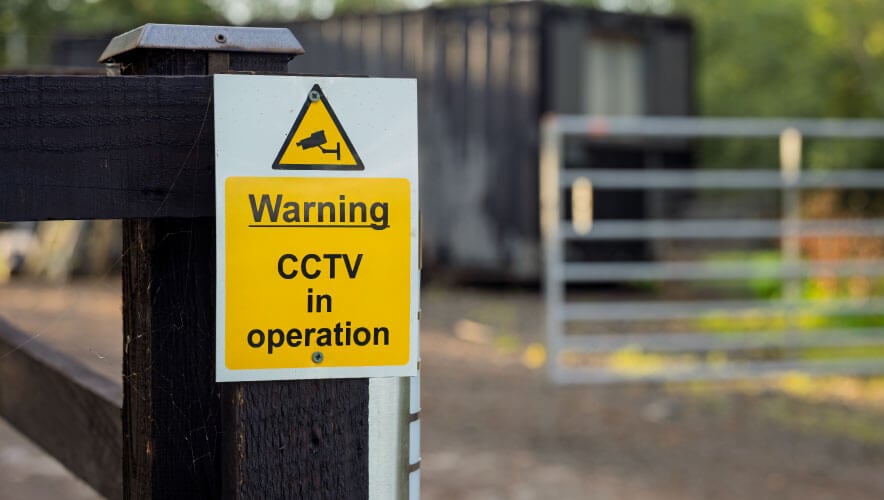
Non-public spaces tend to be the most secure spaces in public facilities, and typically they are reserved for employees or escorted visitors only. Best practices include keeping these spaces physically secured away from other more publicly accessible areas of the building and identified with clear signage. Policies should identify the specific requirements and limitations for entry to these non-public spaces by visitors, as well as permissible visitor conduct.
Properly indicating the type of public space and what is acceptable visitor behavior within that space is vital to the proper enforcement of access within public spaces. Employees and public safety personnel must have a clear understanding of what is and is not acceptable behavior within each level of the public space, and they must be able to clearly articulate what behavior is causing the concern.
When responding to unacceptable behavior in a public space, properly trained security personnel can help avoid costly litigation and embarrassing public scrutiny. The key to training and response for both security personnel and front-line employees lies in understanding the legal rights of citizens and localities in public spaces. These personnel must also be trained in how to not become emotionally involved or agitated by others’ behavior, especially when it is unequivocally lawful.
Employees and security must focus on specific behavior within the context of the space to determine whether it is illegal. For example, employees must be able to identify and explain that an individual wasn’t just yelling profanities about their dislike of city or town leadership, but they were making specific threatening statements against the facility.
Documenting an incident is just as important as training to deal with it. Documentation must be clear, concise, and accurate. It should provide a chronological description of what occurred, and the actions of security staff in response to the specific behaviors of an offending individual. Was the individual panhandling by the front entrance of the library? Or was he or she standing in front of the library door, blocking the entrance of families attempting to come in, and aggressively demanding money, leading some families to turn away and leave? These are actionable details that help explain why security or law enforcement officers responded, and why the subject was issued a warning, escorted or removed from the property, or ultimately arrested.
Unfortunately, the increased risks to public spaces cannot be mitigated with tighter access control alone. The very nature of public spaces creates a paradoxical vulnerability that cannot be removed without compromising the design, purpose, and function of this space: The people have a right to conduct public business with their government and to do so in public spaces. The challenge then falls to security professionals to protect these places, because the safety and security of these public spaces and those who use them are just as vital to the resiliency of the community as their calendar of events.
Yan Byalik, CPP, is a security executive with nearly 25 years of experience managing security teams, programs, and organizations across local government, higher education, theme park, and telecommunications verticals. He has presented to local, state, and national audiences on a variety of security related topics and has authored and co-authored several articles in industry publications including Security Management. Byalik serves on the Chapters Committee of the ASIS North American Regional Board.