U.S. Oil Companies Face Significant Costs and Risks When Reentering Venezuela
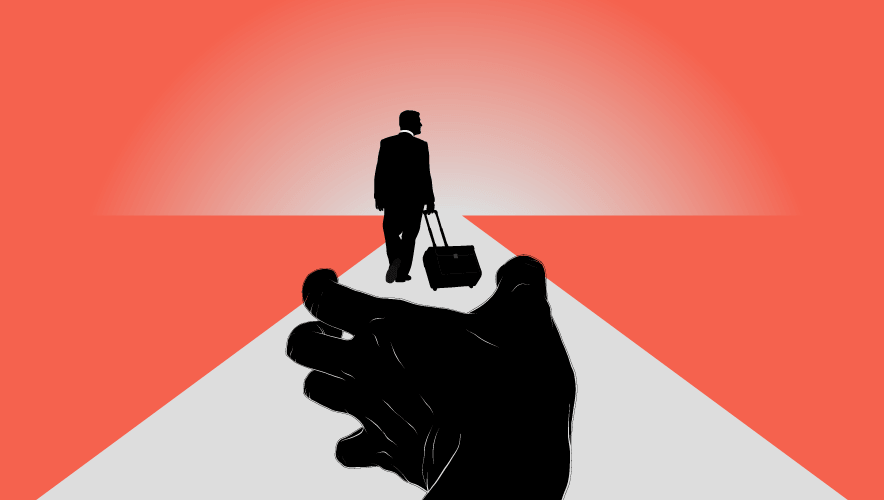
Venezuela has some of the world’s largest oil reserves, but U.S. President Donald Trump’s goals of restarting U.S. oil companies’ activity in the country face significant infrastructure and security challenges.
After a dramatic late-night raid on 3 January, U.S. forces captured and detained Venezuelan President Nicolas Maduro, transferring him and his wife to New York to face narco-terrorism charges.
Trump announced in a press conference following the operation that the United States plans to take control of Venezuela’s oil industry and task American companies with revitalizing it. But analysts say that is easier said than done.
Impact of Sanctions
In the 1970s, Venezuela was producing 3.5 million barrels of oil per day. Today, the figure is less than 1 million, with a significant decline after Maduro took office in 2013, NDTV reported. Corruption, mismanagement, and sanctions contributed to the decline.
In 2017, the United States imposed sanctions on Venezuela’s state oil company, Petróleos de Venezuela S.A. (PDVSA), as part of a broader sanctions effort against the Maduro regime over alleged human rights violations. The sanctions cut off the company’s access to global financial systems and key markets, choking investment and leaving PDVSA unable to service its debts. In 2019, the United States extended the sanctions to freeze PDVSA’s U.S. assets and bar U.S. firms from doing business with the company. Further U.S. sanctions in 2025 on oil tankers put additional pressure on the nation’s oil industry.
In some jurisdictions, outstanding debts led to the seizure of PDVSA assets and neglect of its infrastructure. Some infrastructure has even been looted, taken apart, and sold, analysts told the BBC.
Internal Control
Maduro’s tight control over PDVSA also led to an exodus of experienced workers from the field and even from the country—a brain drain that will be hard to fix quickly.
Most international oil companies were forced out of Venezuela under the Hugo Chavez administration in 2007, after the country nationalized much of its oil production and expropriated many outside companies’ assets.
Currently, U.S. oil producer Chevron is the only U.S. oil company still active in Venezuela after it secured a license in 2022 to operate outside U.S. sanctions. The Trump administration extended the waiver last year. Chevron partners with PDVSA to produce around one-fifth of Venezuela’s official oil production, Al Jazeera reported. The U.S. group says it needs to recover billions of dollars the PDVSA owes in unpaid bills and property seizures.
Risk Forecast
There is strong international demand for the heavy crude oil produced in Venezuela, but getting it will be expensive in the short term.
In a press conference, Trump said that “We’re going to have our very large U.S. oil companies, the biggest anywhere in the world, go in, spend billions of dollars, fix the badly broken infrastructure, oil infrastructure, and start making money for the country.”
To get oil production back up and running from 1 million barrels per day to 4 million barrels, however, will take about a decade and $100 billion of investment, analysts told the Associated Press (AP). U.S. companies may be leery of taking on that level of investment without assurances around political stability and security in Venezuela.
The U.S. State Department has issued a “do not travel” warning for U.S. citizens considering going to Venezuela amid a fluid security situation and “severe risks to Americans, including wrongful detention, torture in detention, terrorism, kidnapping, arbitrary enforcement of local laws, crime, civil unrest, and poor health infrastructure.”
The nation’s capital, Caracas, is considered a “critical” threat location for crime directed at or affecting official U.S. government interests, according to a summary from OSAC. Extremely high crime rates, kidnapping risks, and political violence could further endanger international business travel. A UK advisory noted that “private security services are becoming standard for business and official visitors and residents.” It’s common to use armored vehicles to get around Caracas, especially after dark.
While anti-American sentiment and demonstration actions cooled following the closure of the U.S. embassy in 2019 (it may be reopening soon), the recent raid and U.S. actions in the country could spark anger and threat activity, even while many Venezuelans celebrate Maduro’s ouster.
Alongside safety concerns, oil companies will also be gambling on the political situation in Venezuela. If the country dissolves into further political or violent conflict as a result of the change in leadership, investing billions of dollars in the nation’s oil production may be too risky, even with the potential payoff of billions of barrels of oil.
As former Chevron executive Ali Moshiri told The New York Times,“Not many companies are going to rush to go into an environment where there’s not stability.”