Why Bullying Rachets Up in Middle School
Many people reminisce fondly on their high school years—the friends, the clubs, the parties, the youthful adventures. But fewer yearn for a return to their preteens and the tumultuous years of middle school. At that stage, puberty is triggering a cascade of hormonal and developmental changes. That same development extends to new social dynamics, which set the stage for bullying.
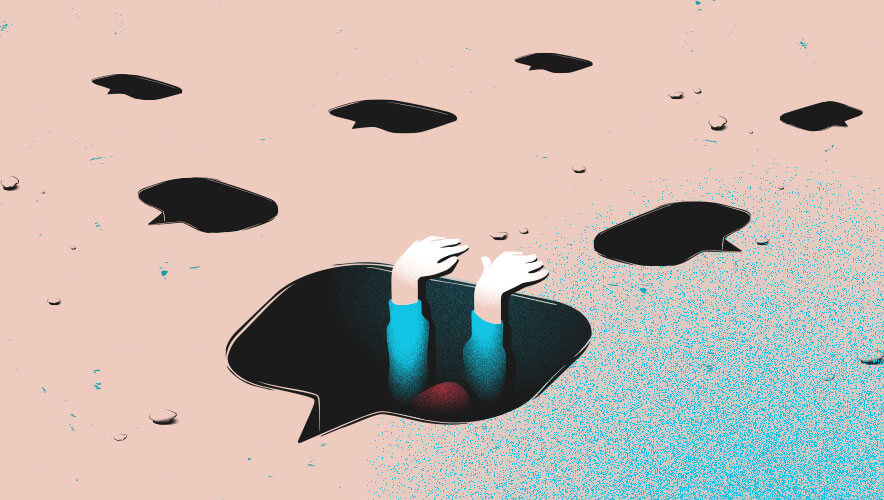
Bullying typically consists of aggressive behavior that is intentional and mean, repeats over time, and occurs within a power imbalance. Bullying makes the targeted child feel helpless to stop it. Puberty produces a wide range of changes and differences between students, who are increasingly sensitive to criticism, ostracization, and peer pressure to conform.
In middle school (typically students ages 11 to 15 in the United States), a confluence of different factors pushes students to test boundaries and intuit who they want to become, says Dr. Dan Florell, a professor at Eastern Kentucky University and a member of the National Association of School Psychologists (NASP). Sometimes this growth comes with painful social lessons and interpersonal dynamics.
“Puberty is as much a massive upgrade in your brain software as much as it is with your body,” he says. “And so, the way that you define friendship changes quite a bit, as you begin to have more of an adult understanding.”
Younger children’s primary relationship is with their parents, and that relationship usually feels very secure. With that security supporting them, kids make friends quickly, based on very few criteria other than a shared love of swing sets or dinosaurs. “And that’s glorious in its own respect,” Florell says. As children age, however, their primary relationship shifts toward peers, seeking out friends who share deeper commonalities.
“When we get into middle school, we want people who are more like us, psychologically,” he adds. “Some kids go through puberty at different times than others, so there’s a lot of hurt feelings with friendships that end from elementary school to middle school.”
Some of those friendships end based on reduced proximity—students don’t always share the same classroom or even school between elementary and middle school—but others end abruptly because one or more of the friends wants to pursue a different type of social experience, often with people at their same developmental level. This can result in strife, especially since children are still figuring out how to gracefully end or change a relationship, and they may choose to lash out with hurtful comments instead to push their former friend away, Florell says.
In many of these cases, bullying is a way of sorting out new social hierarchies and testing newfound social skills and influence. Even in small friend groups or cliques, there will be a hierarchy, including exclusions of one member or another if he or she starts to deviate from the group’s expectations, he adds. Sometimes that peer pressure works to quickly shame someone into changing an unwanted behavior, but sometimes it escalates into longer-term cruelty and bullying.
Puberty is as much a massive upgrade in your brain software as much as it is with your body.
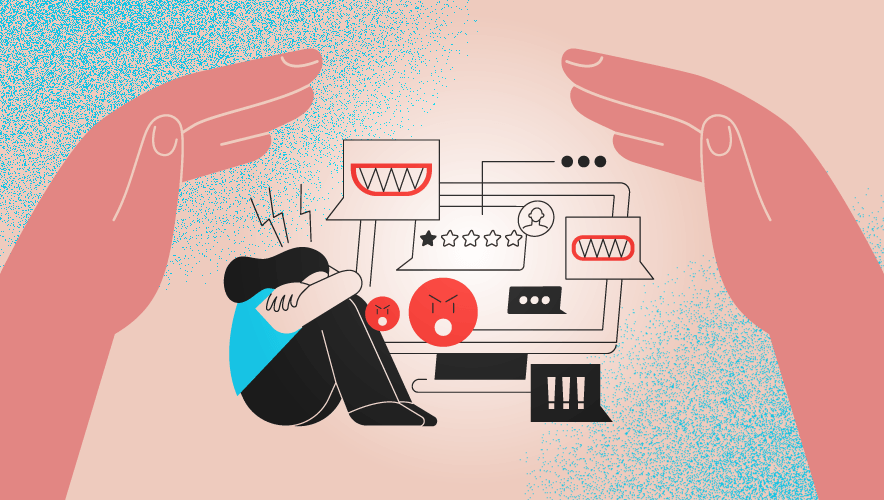
Children at this stage often cannot fully understand the connection between behaviors and consequences, which pushes them to take risks and follow impulses without due consideration. The anonymity and gamification in many online platforms can exacerbate these impulses, reducing inhibitions that might otherwise discourage a child from bullying someone or ganging up on them in person.
Also, online platforms often run without strict monitoring or moderation, enabling kids to test out profanity, new insults, and power dynamics, seeking to elicit a shock response from peers and gain some notoriety, Florell says.
“I have rarely met adolescents who are cyberbullying who won’t throw in profanity on top of it, right?” he adds. “That kind of goes par for the course…at that age, it’s the exciting thing, and it’s also the thing that you know will get people riled up if they say it enough.”
About half of U.S. teenagers have been bullied or harassed online, according to 2022 statistics from the Pew Research Center. The most commonly reported behavior was offensive name-calling, but 22 percent have had false rumors spread about them, and 17 percent received explicit images they didn’t ask for. Girls were more likely targets of rumor campaigns than boys.
On today’s most popular platforms—Snapchat, Instagram, and TikTok—20 to 30 percent of teenagers said they have experienced at least one form of harassment: being called an offensive name, having a rumor spread about them, or being physically threatened, Pew reported in 2026.
While research is still underway to study how technology influences the social and emotional development of children, Florell says that today’s bullying activity rarely happens just in person or online—it’s usually a hybrid of the two, which leaves little room for a child to escape bullying activity.
“If you have bullying that’s bad in person, at least you usually get a break, right, when you’re home or when you’re away from the school,” he says. “But it’s very difficult to escape online influence.”
Claire Meyer is editor-in-chief of Security Management. Connect with her on LinkedIn or via email at [email protected].